An asphalt millings driveway is an affordable, eco-friendly alternative to traditional asphalt and concrete, typically costing $2–$5 per square foot installed and potentially lasting many years with proper installation. Its benefits include low maintenance, improved resistance to washouts, reduced mud and dust, and good traction, although its appearance is rougher than conventional pavement and heavy equipment is required for proper compaction. For long-lasting results, the driveway needs thorough site preparation, proper grading and drainage, a 4–6-inch layer of millings, and heavy roller compaction, followed by routine maintenance and adequate curing time.
Getting a new driveway shouldn't mean draining your savings account or taking out a personal loan. Yet, traditional paving prices are higher right now than they have been in decades. If you are completely fed up with muddy gravel washouts, cracking concrete, and the endless, back-breaking upkeep of dirt roads, you aren't alone. We hear this exact frustration from property owners.
There is a middle-ground material that the paving industry uses all the time, though many homeowners don't know it exists. It hardens up similarly to regular asphalt but can cost less upfront. The catch? You have to install it correctly using heavy machinery. Let's break down the real-world costs, expected lifespan, and maintenance needs of an asphalt milling driveway, and figure out if it is the right choice for your property.
What Are Asphalt Millings (Recycled Asphalt)?
Think of an asphalt milling driveway as a repurposed road. In the paving industry, we refer to this material as RAP (Reclaimed Asphalt Pavement).
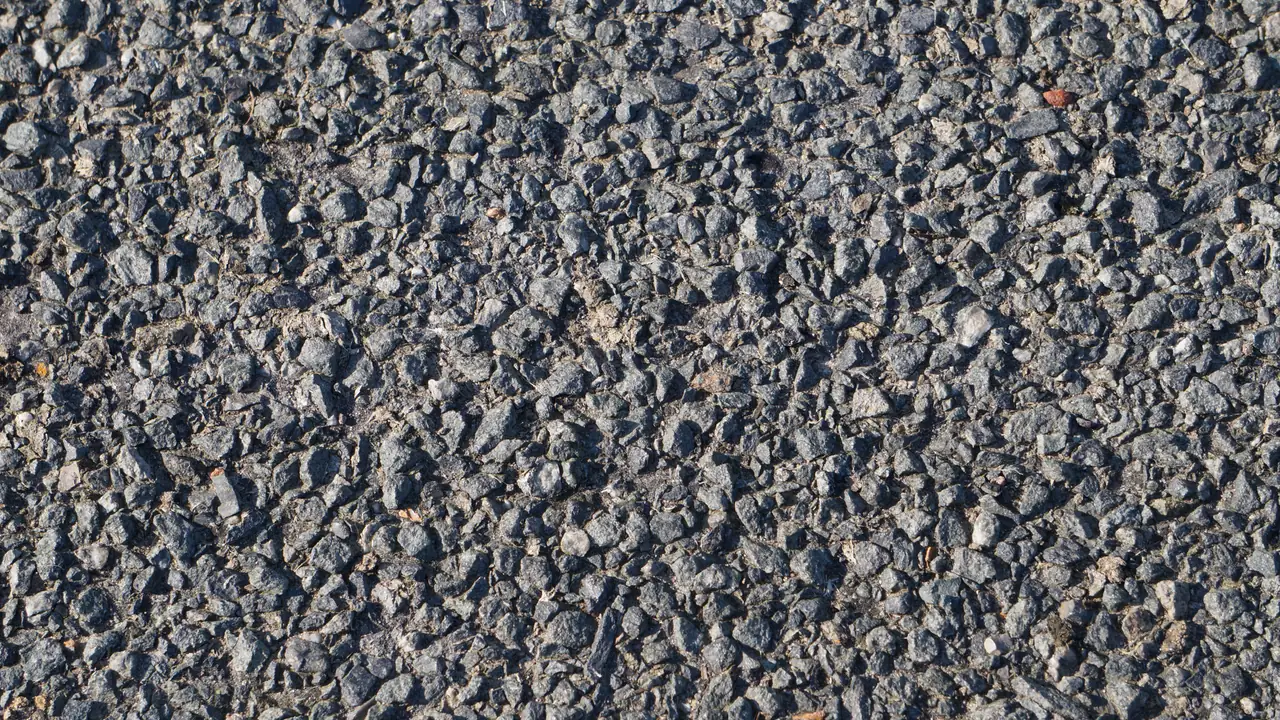
When a city or municipality decides to repave a highway or local road, they don't just dump hot tar over the old stuff. Heavy milling machines drive over the existing street, grinding up the top layer of old asphalt into small, gravel-sized bits. This aggregate is then hauled off, screened, and repurposed. When you lay this recycled material down on a residential property and compact it heavily, the old oils and tars bind together again, forming an incredibly tough, budget-friendly surface.
The Eco-Friendly Benefits: Instead of dumping millions of tons of torn-up city streets into a landfill, the paving material gets a second life. Repurposing old roads cuts down the carbon footprint massively compared to mining raw materials and mixing fresh batches of hot asphalt. You get a rock-solid driveway, and the environment catches a break.
Pros and Cons of an Asphalt Millings Driveway
Like any construction material, recycled asphalt has clear benefits, but it isn't perfect for every single situation. Here is an honest look at the asphalt millings pros and cons.
The Advantages (Pros)
Cost is the biggest win here. You can pay less upfront than you would for fresh hot mix. But the benefits go way beyond the initial price tag:
- It hardens over time: Unlike loose stone, an asphalt milling driveway actually gets stronger. Blistering summer heat bakes the residual tar in the aggregate, and the weight of your vehicles compacts it into a solid, locked-in sheet.
- Excellent snow and ice melting: Because the material is dark gray or black, it absorbs winter sunlight and holds heat, which naturally melts snow and ice much faster than light-colored concrete or stone.
- Say goodbye to mud: It entirely eliminates the dusty, muddy nightmare of dirt paths. You can walk to your car after a rainstorm without ruining your shoes.
The Drawbacks (Cons)
It does have a few drawbacks you need to consider before pulling the trigger.
- Inconsistent appearance: Visually, the color can vary from dark gray to lighter gray depending on how old the original road was. You might also spot tiny bits of harmless road debris, like reflective paint flecks.
- Surface texture: It will not give you that perfectly smooth, roller-rink finish of fresh, brand-new pavement. It has a rougher, more textured look.
- Heavy equipment required: DIY installation isn't a realistic option if you want it to last. If you lack access to a heavy vibratory roller, you should probably look into other gravel driveway alternatives instead.
How Much Does an Asphalt Millings Driveway Cost?
When looking at the asphalt millings cost, you are going to be pleasantly surprised. In most markets, expect to pay roughly $2 to $5 per square foot installed.
To put that in perspective, a standard two-car driveway might cost you $1,200 to $3,000 for millings, whereas a fresh hot-mix asphalt installation could run $1,800 to $3,000 for the exact same footprint. Compared to laying down loose stone that inevitably washes into your lawn every spring, this material gives you massive long-term financial value.
Factors Influencing Your Estimate: Why the $2 to $5 range? Your exact bill depends heavily on trucking fees and site prep. Dump trucks cost money by the hour. If your house is located 40 miles away from the nearest asphalt recycling plant, the delivery fees will bump your price up. Additionally, the amount of base grading needed, your total square footage, and local material availability all shift that final number.
Expected Lifespan and Maintenance
If your paving crew properly compacted the sub-base and rolled the top layer correctly, an asphalt milling driveway can last for many years.
How to Maintain an Asphalt Millings Driveway
Upkeep is wonderfully minimal. You don't have to constantly buy new truckloads of rock to replace what washed away. Your maintenance mostly involves spraying for weeds occasionally and fixing minor rutting early on before the surface permanently hardens.
Can You Seal an Asphalt Millings Driveway?
Yes, you absolutely can, but patience is the secret ingredient.
Pro Tip: Let the crushed millings bake in the sun for at least a full year. Do not rush this. The material needs to settle, off-gas, and bind. Once it fully cures and hardens into a crust, applying a specialized asphalt emulsion sealcoating will enrich the dark color, lock the loose aggregate in place, and add years to its lifespan.
Asphalt Millings vs. Traditional Materials
How does a recycled asphalt driveway stack up against the alternatives? Here is a quick breakdown:
| Feature | Asphalt Millings | Crushed Gravel | Hot Mix Asphalt |
|---|---|---|---|
| Cost | $2 – $5 / sq ft | $1 – $3 / sq ft | $3 – $5 / sq ft |
| Lifespan | Many years (shorter than hot mix) | 5 – 10 years | 15 – 20 years |
| Maintenance | Very Low | High | Medium |
Recycled Asphalt vs. Hot Mix Paved Asphalt
Hot mix looks beautiful and smooth, but it can cost more upfront and is prone to cracking under extreme freeze-thaw cycles. Millings can cost less upfront and are slightly rougher, but highly resistant to cracking because they remain slightly flexible.
Asphalt Millings vs. Crushed Gravel
Gravel is cheap upfront but a nightmare long-term. It kicks up dust in the summer, washes away in the rain, and requires you to buy new stone every few years. Millings cost a bit more initially but lock into place, saving you a fortune in maintenance.
How to Install an Asphalt Millings Driveway
DIYers make mistakes with this material all the time. You cannot just tailgate-spread millings from a dump truck, drive your pickup over it a few times, and call it a day. Here is the professional process:
- Site Preparation and Excavation: We always start by scraping away weak topsoil, grass, and organic matter. You need a solid dirt base.
- Grading: Pitching the sub-base is critical. Getting your driveway drainage right prevents water from pooling underneath and destroying the foundation from the inside out. Water is the enemy of any driveway.
- Spreading: The RAP needs to be laid down evenly, usually 4 to 6 inches thick, depending on the weight of the vehicles you plan to park there.
- Compaction: This step is non-negotiable. You must use a vibratory roller weighing at least 3 tons. A cheap landscape tamper from the hardware store simply won't generate the sheer downward force needed to bind those old oils together.
Why Trust Black Diamond Paving & Construction LLC
The contractor you hire matters just as much as the rock they put down. At Black Diamond Paving & Construction LLC, we don’t just dump material and leave. We engineer rugged, lasting surfaces designed specifically for your local soil conditions and climate.
With years of hands-on commercial and residential paving experience under our belts, our crews know exactly how to grade, spread, and roll recycled asphalt so it locks together and refuses to wash out. We believe in transparent pricing, rigorous site preparation, and doing the job right the very first time. If you are looking for top-tier asphalt paving services, we make sure your driveway handles heavy work trucks and brutal weather for years to come.
Not sure if your soil grade is right for millings? Request a free site evaluation from our team. Ready to upgrade your property? Get an estimate today.
Frequently Asked Questions
Do asphalt millings get muddy?
Not at all. Once rolled tight by heavy machinery, they form a hard, porous crust that blocks mud entirely, keeping your vehicles and shoes clean.
Do asphalt millings wash away in rain?
If installed correctly, no. The residual oils bind the rocks together tightly, making them far more washout-resistant than traditional loose stone or dirt.
How thick should asphalt millings be for a driveway?
We generally recommend spreading a loose depth of 4 to 6 inches before the heavy roller compacts it down to a solid 3 to 4-inch base.
Can I install asphalt millings myself?
You can spread it by hand with wheelbarrows and rakes, but you cannot compact it properly without renting a commercial vibratory roller.
Do asphalt millings track into the house?
You might see a few loose specs of aggregate during the first week or two, but it quickly settles and cures into a completely dust-free surface.
Are asphalt millings good for steep driveways?
Absolutely. The slightly rough, textured surface offers fantastic tire grip and traction for vehicles on steep hills, especially in wet weather.
Does hot weather damage recycled asphalt?
Just the opposite. Blistering summer sun actually melts the dormant tar inside the aggregate, bonding the surface tighter and making the driveway stronger.
Is recycled asphalt toxic to the environment?
No. It is a highly eco-friendly option because it repurposes old highway material, keeping millions of tons of waste out of local landfills.
How long does a milling driveway take to cure?
It doesn't cure overnight like concrete. It hardens gradually over several months of direct sun exposure and normal, daily vehicle traffic.
Can you use a snowplow on asphalt millings?
Yes. As long as the base is heavily compacted and has had time to cure, you can safely run a snowplow over it without displacing your surface.