Recycled asphalt driveways typically cost about $2–$5 per square foot installed and can cost less than new asphalt, although the price ranges overlap, and proper grading, drainage, and heavy compaction are essential for long-term performance. They generally stay in place better than loose gravel and can reduce maintenance, although they have a rougher appearance and may develop ruts or loose edges if the base is weak or installation is poor. With proper installation and upkeep, recycled asphalt can last around 7–10 years or longer, making it a practical option for long driveways where cost savings matter more than a smooth, uniform finish.
A gravel driveway looks fine until rain fills the tire ruts, stones scatter onto the lawn, and mud follows you indoors. Fresh asphalt might fix that, but the quote for a long driveway can sting.
That's why recycled asphalt driveway costs deserve a look. Millings can make a firmer surface for less, provided the ground beneath them is sound. Before choosing an asphalt paving contractor, find out what the installation includes.
Quick takeaway: Recycled asphalt can save money, but good grading, drainage, and heavy rolling are what make it worthwhile.
What Exactly Is a Recycled Asphalt (Millings) Driveway?
How Reclaimed Asphalt Pavement (RAP) Is Sourced
Road crews grind worn blacktop, then crush and screen it into reclaimed asphalt pavement (RAP). Unlike gravel, these particles retain a coating of aged asphalt binder.
Some millings are fine and fairly uniform; others contain larger chunks. Ask what size the supplier delivers. That can change how evenly the driveway packs.
Does Recycled Asphalt Harden Like Regular Asphalt?
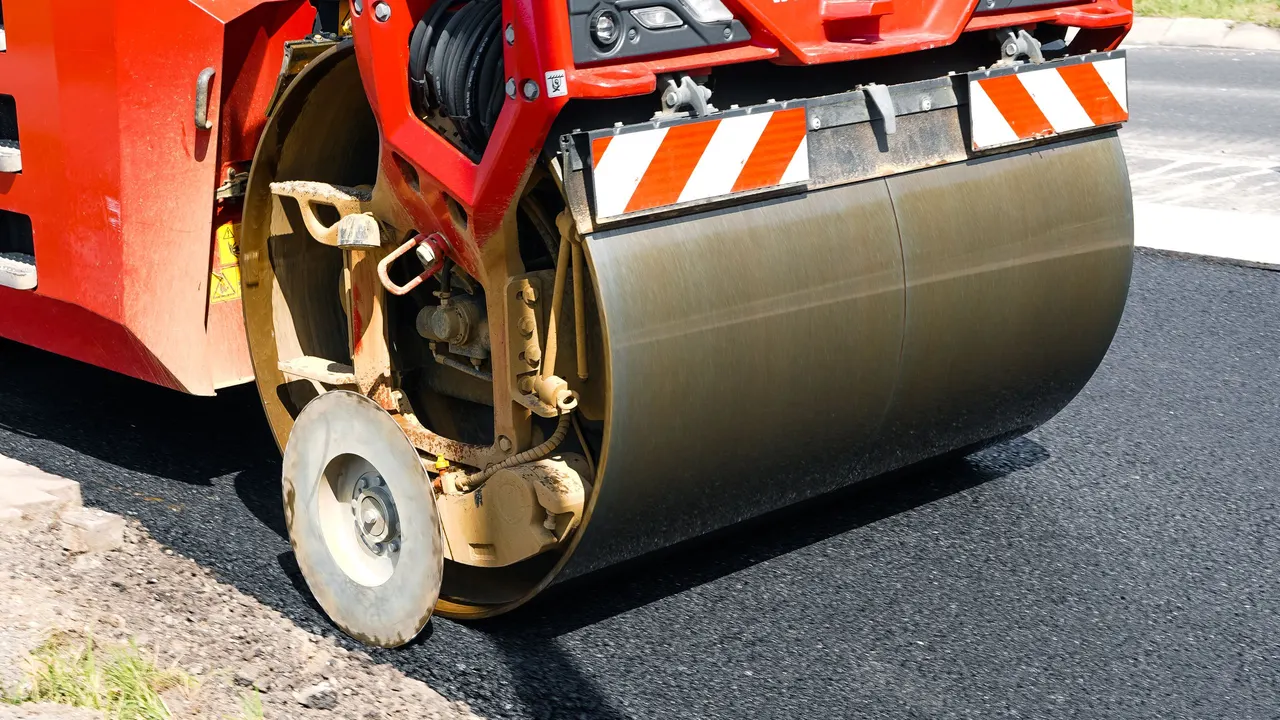
It firms up, but won't look like fresh pavement. A heavy roller presses the pieces together, while warmth helps the binder grip. Expect a coarser finish and some loose stones, even after good compaction. Our asphalt millings driveway guide walks through the installation steps in more detail.
How Much Does a Recycled Asphalt Driveway Cost?
For a straightforward job, recycled asphalt driveway cost is often estimated at $2 to $5 per square foot installed. That puts a 1,000-square-foot driveway at roughly $2,000 to $5,000. Site conditions and hauling distance move that number, so get a local quote before budgeting.
Average Cost per Square Foot
At that rate, the cost per square yard is $18 to $45. A delivered pile isn't a finished driveway. Compare the installed recycled asphalt cost per square foot, including labor, equipment, and hauling, rather than a supplier's per-ton price.
Total Cost for a Standard Residential Driveway
At that rate, 500 square feet costs $1,000 to $2,500. 1,000 square feet costs $2,000 to $5,000. Multiply length by width, measuring any wider parking area separately. That gives you a better reclaimed asphalt driveway cost estimate before requesting quotes. For example, a 12-by-125-foot lane covers 1,500 square feet, or roughly $3,000 to $7,500 at the same rate.
4 Hidden Factors That Affect Your Installation Price
Two neighbors can get different quotes for driveways of the same size. Here's why.
1. Base Preparation and Subgrade Grading
The subgrade is the soil underneath. If it sinks under a tire, the millings will too. The fix may mean removing soft soil and adding a compacted aggregate base. Skipping this work invites ruts. Ask the crew to check the soft patches near the garage or road entrance. Those are easy to overlook when the ground is dry.
2. Local Material Availability and Delivery Fees
Nearby millings may be inexpensive, but long hauling routes aren't. Ask how many loads are needed, what material delivery fees cover, and what another truck trip would cost.
3. Labor and Heavy Compaction Equipment
Proper recycled asphalt driveway installation requires even grading and a suitable roller. Pickup tires aren't a substitute. Ask whether the quoted depth describes loose material or the finished, compacted layer. That distinction can change how many tons you actually need.
4. Drainage Requirements
Does rain run toward the garage or carve channels along the drive? Correcting the slope or installing a culvert may matter more than another inch of millings. Learn about driveway drainage before ordering material.
Recycled Asphalt vs. Alternative Driveway Materials
The cheapest quote isn't always the cheapest driveway to maintain.
| Material | Rough installed cost per sq. ft. | What to expect |
|---|---|---|
| Recycled asphalt | $2–$5 for basic jobs | Firmer than loose gravel; occasional repairs |
| New asphalt | $3–$5 for a residential driveway | Smoother finish; periodic sealing and crack repairs |
| Gravel | $1–$3 for simple jobs | Easy to refresh; more grading and scattered stone |
These are broad planning ranges, not quotes for a particular property.
Recycled Asphalt vs. New Hot-Mix Asphalt
In recycled asphalt vs new asphalt, appearance stands out first. Fresh hot-mix asphalt is smoother and generally lasts longer when properly installed. Millings look rougher, and on a simple job they may cost a little less. On a short suburban drive, the price gap can be small, so price both options.
Recycled Asphalt vs. Gravel
The recycled asphalt vs gravel choice often comes down to upkeep. Gravel is easy to refresh, but turning tires and snowplows scatter it. Millings usually stay put better. When considering a gravel driveway alternative, check the slope too.
Pros and Cons of a Recycled Asphalt Driveway
Think about what you'll see from the kitchen window, not just what you'll pay. Recycled material rarely has the even black color of new pavement. That's fine on a farm lane, but might bother you beside a freshly renovated house.
The Advantages (Pros)
- Potential savings: Reused material can lower the bill on large drives.
- Less shifting: Rolled millings scatter less than loose gravel.
- Material reuse: Old pavement gets another purpose.
- Winter benefit: Dark surfaces absorb sunlight, though ice remains possible.
The Disadvantages (Cons)
- Color and particle size vary between loads.
- Some grit remains loose near edges.
- Weak soil and poor rolling cause ruts.
- Repairs may not blend neatly.
Why Trust Black Diamond Paving & Construction With Your Driveway?
Based in Roxbury Township, Black Diamond Paving & Construction serves Morris, Sussex, and Warren counties in New Jersey. We have more than 20 years in paving, we are licensed and insured, and our crews handle milling, excavation, grading, and drainage.
A useful site visit covers standing water, the existing base, and vehicle weight. Ask for a written quote separating materials, hauling, preparation, compaction, and any applicable warranty. That makes bids easier to compare and helps you avoid mistaking a cheap load of millings for a finished driveway. Before signing, look at a few completed local jobs and ask who handles repairs if the surface starts rutting.
Lifespan and Maintenance: How to Protect Your Investment
How Long Does Recycled Asphalt Last?
A recycled asphalt driveway lifespan of 7 to 10 years or longer is a planning estimate, not a promise. Traffic, drainage, climate, and base strength make the difference. A turning area for loaded trucks wears harder than a lightly used lane.
For recycled asphalt driveway maintenance, check the edges after rain, clear drainage, and fix shallow ruts before they deepen. Keep snowplow blades from scraping the surface.
Can You Sealcoat a Recycled Asphalt Driveway?
Sometimes. Standard sealcoat may not stick to loose millings. Ask the installer whether the surface is stable enough for a suitable treatment and how long to wait. Don't pay for sealing just because it's on a checklist.
Final Verdict: Is It Worth the Money?
For long rural lanes, millings can be a sensible middle ground. If a neat, uniform finish matters more, new asphalt may justify its price. Neither lasts over a failing base.
Request a free driveway estimate showing grading, drainage, delivery, and rolling separately. Know what you're buying before the first truck arrives.
Frequently Asked Questions
How much does a 1,000 sq ft recycled asphalt driveway cost?
At $2 to $5 per square foot, expect $2,000 to $5,000 for a basic installation. Digging out soft soil or bringing in base stone adds to the price. Ask what's included.
Can I put asphalt millings over an existing gravel driveway?
Often, if the gravel is firm and drains well. If tires sink after rain, covering it with millings just hides the problem. Check those muddy patches before ordering anything.
Do asphalt millings track into the house?
Loose black grit may stick to shoes, especially at first. A doormat helps. If the driveway keeps shedding pieces, ask the installer why.
How thick should a recycled asphalt layer be?
A few compacted inches may suit cars, but heavy vehicles and weak bases need different designs. Request the finished compacted thickness in writing. A quote that only says 'two truckloads' doesn't tell you how much surface will remain after rolling.
Can recycled asphalt be installed in winter?
It can be spread in cool weather if the base can still be properly compacted, but never over frozen, snow-covered, or saturated ground. The binder grips less readily in the cold, so the finish may stay loose. Ask your contractor about seasonal limits, especially if freezing nights are expected soon after installation.
Does recycled asphalt need a heavy roller?
Yes. Without proper compaction, even-looking millings can shift under tires. Rolling is especially important along wheel paths and edges.
Can I install recycled asphalt myself?
You can arrange delivery and spreading, but grading and rolling take equipment and skill. Count rental costs and your time before deciding DIY saves money.
What recycled asphalt driveway maintenance is required?
Start after a hard rain. Look for puddles, channels, and soft edges, and repair ruts before winter worsens them. If a snowplow scrapes off material, adjust the blade height.
Where can I find asphalt millings near me?
Try paving crews, asphalt plants, and recycling yards. Ask about screening and delivery. The nearest supplier isn't always cheapest once hauling is included.
How do I compare recycled asphalt driveway contractors?
Compare base preparation, compacted depth, equipment, and cleanup. The cheapest bid may leave out needed work. Ask to see comparable local projects and find out who handles repairs if ruts appear soon afterward.