
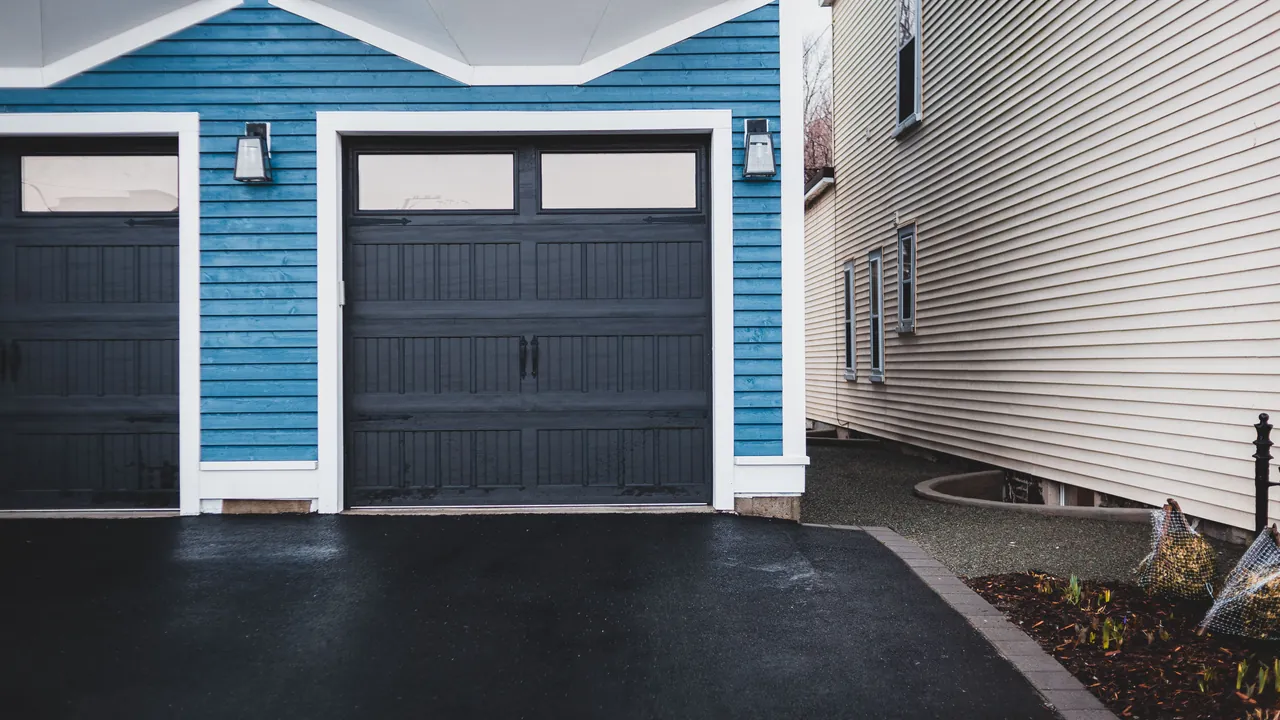
A durable asphalt driveway in New Jersey depends on more than just the asphalt surface, with proper soil preparation, compaction, and a strong crushed stone base playing a critical role in preventing cracks and failures. For most residential driveways, the recommended installation is 2.5 to 3 inches of compacted asphalt over a 4 to 8-inch crushed stone base, while heavier vehicles like SUVs, trucks, and RVs require thicker asphalt to handle additional stress. Understanding the difference between loose and compacted asphalt thickness, preparing the subgrade correctly, and hiring a contractor who follows proper installation practices are essential for building a driveway that withstands New Jersey’s freeze-thaw cycles and lasts for decades.
A homeowner spends thousands of hard-earned dollars on a brand-new driveway, only to watch it crack, heave, and spiderweb after the first deep freeze. When getting quotes for the project, the advice from different companies is completely all over the map. One guy who knocked on the door says two inches is plenty; another estimator insists on four inches. It leaves you wondering who is telling the truth and who is just trying to cut corners to win a cheap bid.
The secret to a long-running driveway isn't just the blacktop on the surface, it's the dirt and stone underneath. We'll break down exactly how many inches of material you actually need. Finding an honest asphalt paving contractor makes all the difference in whether your investment lasts decades or two winters.
Quick Answer: What is the recommended asphalt driveway thickness in NJ?
For a standard residential driveway in New Jersey, you need a compacted asphalt layer of 2.5 to 3 inches, installed over a 4 to 8-inch crushed stone base. Park heavy SUVs or trailers? Increase the thickness to 3 to 4 inches to prevent rutting during intense summer heat and brutal freeze-thaw cycles.
Why Driveway Thickness is Crucial for NJ Homeowners
Thickness isn't just about pouring a heavy top layer of blacktop so it looks pretty. Your driveway is a structural engineering system designed to distribute thousands of pounds of moving weight. Northeast weather beats up pavement significantly worse than mild Southern climates. If your driveway is too thin, the combined stress of heavy vehicles and freezing ground temperatures will literally tear it apart from the inside out.
Residential driveways installed with substandard thickness under 2 inches fail far more often than properly specified installations. A thin layer simply does not have the tensile strength to flex when the ground beneath it moves. When the ground freezes and expands, a thin driveway snaps like a brittle cracker. When it's properly thick, it behaves more like a stiff rubber mat flexing slightly under pressure but ultimately retaining its structural integrity.
The Anatomy of a Durable Asphalt Driveway
The Subgrade (The Foundation)
It all starts with dirt. In our years of paving across New Jersey, we see premature failures starting squarely at the soil level. Before a single ounce of gravel or asphalt is delivered to your home, the native soil (subgrade) must be graded for proper water runoff and heavily compacted with a vibratory roller. If the soil is soft, organic, or holds water like a sponge, it must be dug out and replaced. No amount of asphalt on top can fix bad dirt on the bottom.
The Aggregate Gravel Base
Think of the aggregate base like the concrete block foundation of a house. You wouldn't build a brick home directly on beach sand, and you shouldn't pour hot asphalt directly on uncompacted dirt. Depending on your yard's specific conditions, you need a crushed stone base running between 4 to 8 inches thick.
This stone layer does two jobs: it bears the weight of the cars, and it provides a drainage field so water doesn't pool directly under the blacktop. In areas where heavy, sticky clay soils are common, the ground shifts and expands significantly. In these conditions, you need the full 8 inches of dense-graded stone so water drains away safely. Sandy soils might let you get away with slightly less, but a solid stone foundation is absolutely non-negotiable.
The Asphalt Layers (Binder vs. Surface Course)
Proper, high-quality installations use two completely distinct layers of asphalt, rather than just one thick pour.
The bottom layer is called the binder course. It features larger chunks of aggregate stone mixed with the liquid bitumen. This layer provides the heavy load-bearing strength. The top layer is the surface course, which uses much finer sand and small aggregate to create a smooth, tight, water-resistant finish. When a contractor gives you a quote, they should clearly specify that they are installing both a binder and a surface course.
Pro-Tip: Soil compaction and a thick crushed stone base matter just as much as the asphalt itself. Never let a paving company rush the soil prep work! If they show up and try to pave in the same afternoon they ripped out the old driveway, that's a massive red flag.
Recommended Asphalt Thickness by Vehicle Type
For Standard Passenger Cars
If you just park standard passenger sedans, hatchbacks, or small crossovers, 2.5 to 3 inches of compacted Hot Mix Asphalt (HMA) provides plenty of structural strength for daily residential use. This thickness easily handles the weight and frequency of typical household cars without experiencing significant wear and tear over the years.
For SUVs, Trucks, and RVs
Heavier loads put exponentially more stress on pavement. A large pickup truck, a heavy electric vehicle (EV), a loaded work van, or a camper RV will exert tremendous downward pressure on a small footprint. If you own these types of vehicles, you should bump that asphalt thickness up to 3 to 4 inches.
During the peak of a New Jersey summer, dark asphalt absorbs the sun's heat, softening the binding agents. If you park a 7,000-pound truck on thin 2-inch asphalt on a 95-degree afternoon, the tires will sink, leaving permanent divots and ruts in your driveway. Upgrading to 3 or 4 inches prevents this deformation entirely.
How New Jersey Weather Impacts Your Driveway
The winter freeze-thaw cycle in this part of the country is absolutely brutal on infrastructure. Temperatures routinely bounce above and below the freezing mark dozens of times between December and March.
When snow melts during a sunny afternoon, the water seeps into microscopic pores in the pavement or runs down into the soil below. When the sun goes down and temperatures plummet into the teens, that water freezes solid. Because ice expands by roughly 9%, it exerts an incredible upward pressure against the asphalt slab.
If your asphalt is thin, this aggressive swelling physically snaps the surface, creating cracks. Once a crack opens, more water gets in during the next storm, freezing and expanding the crack even wider in a compounding cycle of destruction. A thick layer of asphalt paired with a well-draining stone base is the absolute best method for long-term crack prevention.
2 Inches vs. 3 Inches: Is 2 Inches of Asphalt Enough?
We get asked this question at kitchen tables across the state. The answer completely depends on the type of job being done.
If you are paying for a driveway resurfacing job which involves milling off the top layer or paving directly over an older, solid driveway that has zero structural issues then yes, two inches of new surface asphalt works perfectly. The existing foundation is already providing the necessary strength.
However, if we are ripping out your old, failing driveway with heavy machinery and starting completely fresh from the dirt up, two inches will simply not hold up. You need a minimum of 2.5 to 3 inches of compacted asphalt.
This brings up a critical scam to watch out for: "loose" vs. "compacted" thickness. When hot asphalt rolls out of the paving machine, it is fluffy and full of air. Three inches of loose asphalt packs down to just over two inches once the heavy steel drum roller compacts it. Some shady contractors will quote you "3 inches of asphalt," but they mean 3 inches loose. You end up with a 2-inch driveway that fails in three years. Always demand compacted thickness in writing.
Why Trust Black Diamond Paving & Construction?
We've spent years serving local New Jersey communities, which means we know exactly how regional soils and harsh winter weather behave. We never skimp on materials just to win a cheap bid and undercut the competition, because we refuse to build driveways that fall apart.
Black Diamond recommends a minimum of 2.5 to 3 inches of highly compacted asphalt because we've seen exactly what January ice storms and heavy trucks do to thin pavement. Our crews focus heavily on subgrade compaction, proper drainage slopes, and thick aggregate bases. When you work with us, you can expect completely transparent quotes and reliable communication. We do the job right the first time so you don't have to pay someone else to fix it later.
What to Ask Your Paving Contractor Before Signing?
Before handing over a deposit to any paving company, use this 3-point checklist to protect your investment:
- Are you quoting compacted asphalt thickness or loose thickness?
- How many inches of crushed stone base will you be installing beneath the asphalt?
- Are you laying the blacktop in two distinct courses (binder and surface)?
Frequently Asked Questions (FAQ)
How thick should an asphalt driveway be in New Jersey?
For standard cars and daily use, you want 2.5 to 3 inches of compacted asphalt sitting over 6 to 8 inches of crushed stone base. Anything thinner won't hold up through a couple of rough January freezes.
Is 2 inches of asphalt enough for my driveway?
Only if you are putting an overlay on an existing, rock-solid blacktop or concrete pad. If you ripped everything out down to dirt, 2 inches is too thin. It will crack the first time an oil delivery truck or garbage truck pulls in.
How deep does the gravel base need to be?
Plan on 6 to 8 inches for most of the state. If you live down by the shore with sandy soil, you can sometimes get away with 4 to 6 inches. But if you have that heavy, sticky clay common in North and Central Jersey, you need a full 8 inches of dense-graded stone so water drains away instead of heaving the slab.
Does asphalt thickness actually change how long the driveway lasts?
Absolutely. A skimpy 2-inch slab might give you 8 to 10 years before it breaks down, while a 3-inch compacted driveway on good stone routinely hits 20 to 25 years with regular sealing. The extra material gives the pavement enough flex to handle vehicle weight without snapping.
What thickness do I need if I park an F-150, camper, or work trailer?
Step it up to 3.5 to 4 inches of compacted asphalt, laid down in two separate passes, a coarse binder layer first, then the smooth top coat. Heavy pickups and RVs will leave sunken tire ruts in standard 2.5-inch asphalt during humid 95-degree July afternoons.
What is the difference between "loose" thickness and "compacted" thickness?
This is where homeowners get burned. When the hot mix rolls out of the paving machine, it is loose and fluffy. Three inches of loose asphalt packs down to just over two inches once the heavy steel roller finishes compacting it. Always verify that your contractor's quote specifies compacted thickness.
Can a contractor just pave 2 inches directly over my old driveway?
Yes, but only if the current foundation has zero sinkholes or drainage issues. That is called resurfacing. If the old blacktop is already crumbling, spiderwebbing, or sinking toward the garage, paving over it just puts a bandage on a broken bone. Those cracks will push right back through the new layer within a year.
Why does New Jersey weather beat up thin driveways so fast?
It comes down to the freeze-thaw cycle. Temperatures bounce above and below freezing dozens of times between December and March. Snow melts, seeps under the blacktop, and freezes overnight. Ice expands by roughly 9%, pushing upward against the asphalt. If the driveway is too thin to resist that pressure, it splits open.
How do I know if the crew actually installed the full thickness?
Check the exposed edges along your lawn before the crew backfills dirt against them, or look at how the asphalt meets your garage apron and walkway borders. You can also ask to see the quarry weight slips—the total asphalt tonnage delivered should match the square footage of your driveway multiplied by the quoted depth.
How long before I can park on a newly paved 3-inch driveway?
Keep cars completely off it for at least 48 to 72 hours. In peak summer heat, give it 4 to 5 days for larger SUVs. Even though hot mix cools within hours, it takes months to fully cure, so avoid turning your steering wheel while your tires are sitting still for the first few weeks.